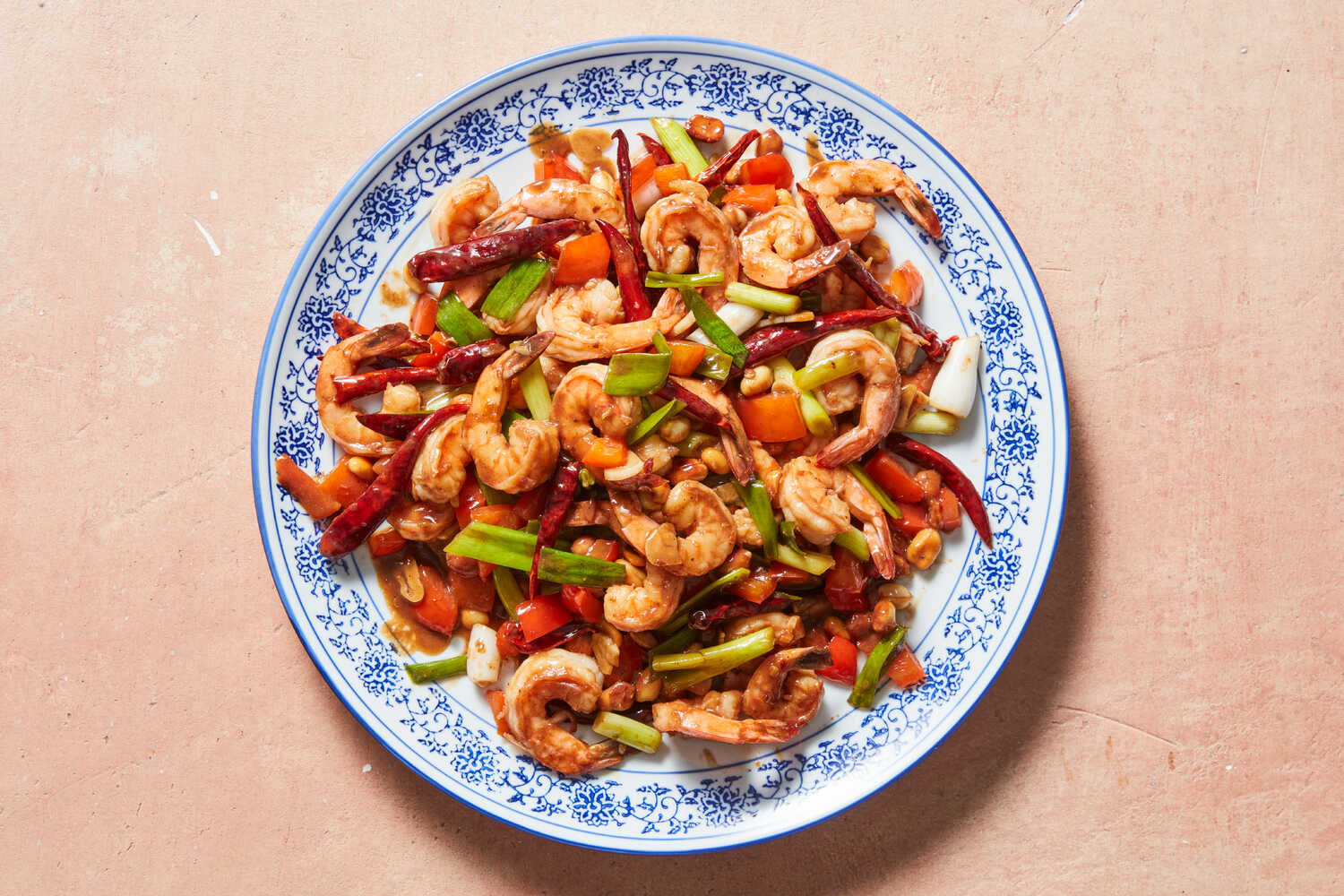
For lovers of Chinese cuisine, the mere mention of Kung Pao dishes conjures images of vibrant flavors, tantalizing aromas, and a delightful symphony of textures. While Kung Pao Chicken famously reigns supreme, its seafood counterpart, kung pao shrimp (Gōng Bào Xiā Rén / 宫保虾仁), offers an equally compelling culinary experience that is often overlooked. If you’ve grown accustomed to the version served at your local Chinese takeout, prepare to have your perceptions, and taste buds, wonderfully challenged. This article will delve deep into why crafting your own authentic Kung Pao Shrimp at home not only rivals, but profoundly surpasses, the standard restaurant offering.
Unveiling the True Essence of Authentic Kung Pao Shrimp
What sets authentic kung pao shrimp apart from its more commercialized relatives? It’s a sophisticated interplay of flavors and textures, rooted deeply in Sichuan culinary tradition. This signature dish is a masterpiece of balance, delivering a complex taste profile that is at once spicy, mouth-numbing, smoky, sour, sweet, garlicky, and incredibly aromatic. Imagine briefly stir-fried, plump and crunchy shrimp, perfectly toasted peanuts, and tender chunks of scallions, all enveloped in a sticky, savory sauce that clings to every ingredient.
The magic lies in the traditional preparation and the specific combination of ingredients. While many takeout versions tend to be overwhelmingly sweet, less spicy, and often laden with non-traditional vegetables like broccoli or carrots, the authentic recipe focuses on a purer, more intense flavor experience. It’s about creating a harmonious “complex taste” that dances on your palate, a hallmark of true Sichuan cooking. The nuanced heat from dried chilies, coupled with the unique "ma la" (numbing and spicy) sensation from Sichuan peppercorns, provides a depth that takeout simply can't replicate. For a deeper dive into this unique flavor, you might enjoy reading Sichuan Kung Pao Shrimp: Your Guide to Mouth-Numbing Spicy Perfection.
The Pillars of Flavor: Key Ingredients for Your Homemade Kung Pao Shrimp
To truly achieve that authentic taste, understanding the role of each ingredient is paramount. Forget generic stir-fry components; here, every element plays a crucial part in building the dish's iconic profile.
The Star: Plump Shrimp
The foundation of any great kung pao shrimp is, naturally, the shrimp itself. For this recipe, opt for headless and skinless shrimp, whether fresh or defrosted. The key is their freshness and texture. Briefly stir-frying them ensures they remain succulent with a delightful crunch, never rubbery. A quick note on terminology: in the US, "shrimp" is the common term for both shrimp and prawns, while in the UK, "prawn" is more prevalent. For this recipe, either type works beautifully, so use what's readily available and fresh.
The Dynamic Duo: Dried Chilies and Sichuan Peppercorns
This is where the authentic recipe truly shines and deviates from the milder takeout versions.
- Dried Chilies: These provide the foundational heat and a subtle smoky aroma. You don't need to limit yourself to specific Sichuan varieties; any dried chili with a heat level suitable for your tolerance will work. They are a must for that characteristic spicy kick.
- Sichuan Peppercorns: This unique Chinese spice is a game-changer. It's not just about heat; it imparts a distinctive "ma la" (numbing and tingling) sensation that is central to Sichuan cuisine. Whole Sichuan peppercorns are preferred for their potent aroma and flavor, but ground versions can be used in a pinch. This mouth-numbing quality adds an entirely new dimension to the flavor profile, creating a truly unforgettable experience.
The Aromatic Trio and Crunchy Companions
- Scallions, Garlic, and Ginger: This powerful trio forms the aromatic backbone of countless Chinese dishes, and kung pao shrimp is no exception. Scallions (also known as green onions or spring onions) are used generously, not just as a garnish but as a vegetable component, adding a fresh, pungent bite. Fresh garlic and ginger provide foundational warmth and zest.
- Peanuts (or Substitutes): Skinless peanuts are traditional, contributing a nutty flavor and essential crunchy texture that contrasts beautifully with the tender shrimp and sticky sauce. If you have a peanut allergy, cashews are an excellent substitute. For a nut-free option, water chestnuts (despite their name, they are a plant root, not a nut) can provide a similar crunch.
The Signature Sauce: A Symphony of Condiments
The sticky, savory, sweet-and-sour sauce ties everything together. Essential Chinese condiments include:
- Black Rice Vinegar (e.g., Chinkiang/Zhenjiang vinegar): This provides the crucial sour note and a depth of flavor that ordinary vinegars cannot match.
- Soy Sauce: For saltiness and umami.
- Sugar: To balance the sour and spicy elements and add a touch of sweetness.
- Shaoxing Wine (or dry sherry): For complexity and fragrance.
- Cornstarch: To thicken the sauce, ensuring it coats the ingredients perfectly.
Mastering the Stir-Fry: Tips for Perfecting Your Kung Pao Shrimp
Creating Quick Kung Pao Shrimp: Authentic Flavor, Ready in Under 30 Minutes isn't just about the ingredients; it's also about technique. A successful stir-fry is all about speed and high heat.
- Mise en Place is King: Before you even turn on the stove, have all your ingredients prepped, measured, and within arm's reach. Stir-frying happens fast, and you won't have time to chop or measure mid-cook.
- Marinate the Shrimp: A brief marinade with a touch of cornstarch helps tenderize the shrimp and gives them a slight coating that seals in moisture during cooking.
- High Heat, Quick Cook: Use a wok or a large, heavy-bottomed pan over high heat. The shrimp should cook very quickly, just until they turn pink and opaque, to maintain their tender-crisp texture. Overcooking will make them rubbery.
- Layering Flavors: Start by infusing your oil with the dried chilies and Sichuan peppercorns, followed by the garlic and ginger. This builds the aromatic foundation before adding the shrimp and sauce.
- Sauce Control: Add the pre-mixed sauce towards the end. It will thicken almost immediately, coating everything in that irresistible glaze.
Don't be afraid to experiment with the recipe to suit your palate. The beauty of homemade is customization. You can reduce the amount of chili for less heat, increase the sauce quantity if you prefer a saucier dish, or even add a few of your favorite vegetables, though traditionally, authentic kung pao shrimp is quite minimalist in its vegetable additions beyond scallions.
Beyond the Plate: The Unbeatable Advantages of Homemade Kung Pao Shrimp
The question isn't just "Can I make kung pao shrimp at home?" but "Why should I?" The answer is multifaceted:
- Authenticity Unlocked: As discussed, takeout versions often compromise on authentic ingredients and flavor profiles for broader appeal or cost-effectiveness. By making it yourself, you unlock the true, complex, and intensely satisfying taste of traditional Sichuan kung pao shrimp. You experience the subtle nuances of Sichuan pepper and the fresh vibrancy of quality ingredients.
- Control Over Ingredients: You dictate the quality and freshness of every component. No mystery oils, excessive MSG (if you prefer to avoid it), or questionable preservatives. You choose the best shrimp, the freshest aromatics, and the highest quality condiments.
- Dietary Customization: Allergies or dietary preferences? No problem. Adjust the spice level, swap peanuts for cashews or water chestnuts, or reduce sodium content. Homemade provides complete control.
- Fresher & Healthier: Cooking at home generally means less oil, less sodium, and fresher ingredients. You know exactly what’s going into your body.
- The Joy of Creation: There's immense satisfaction in preparing a dish from scratch, especially one as flavorful and impressive as authentic kung pao shrimp. It’s an engaging culinary adventure that rewards you with an incredible meal.
- Cost-Effectiveness: Per serving, making kung pao shrimp at home is almost always more economical than ordering takeout, especially for a family or multiple servings.
Ultimately, the difference between homemade authentic kung pao shrimp and the average takeout offering is like comparing a finely crafted symphony to a pop jingle. Both might be enjoyable, but only one offers true depth, complexity, and a memorable experience. So, roll up your sleeves, gather your ingredients, and prepare to elevate your Chinese cooking game. You’ll find that making this iconic dish yourself is not only easy and fast, but incredibly rewarding, delivering a flavor profile that will forever change your perception of this beloved classic.
